Trusted Auto Mechanics in Plainfield at Performance Auto Center LLC for Oil Changes
Key Auto Repair Advice: Keep Your Car Running Efficiently and Safely
Preserving a vehicle is crucial for safety and efficiency. Regular checks and basic repairs can help prevent costly mechanical failures. Recognizing the value of routine maintenance can improve a car's overall longevity. Basic do-it-yourself repairs often work well for small problems. Yet, knowing when to consult a professional is just as critical. Exploring these essential auto repair tips uncovers approaches that can significantly enhance a driver's overall driving experience. What might one discover about their own vehicle?
Begin With Fundamental Routine Vehicle Inspections
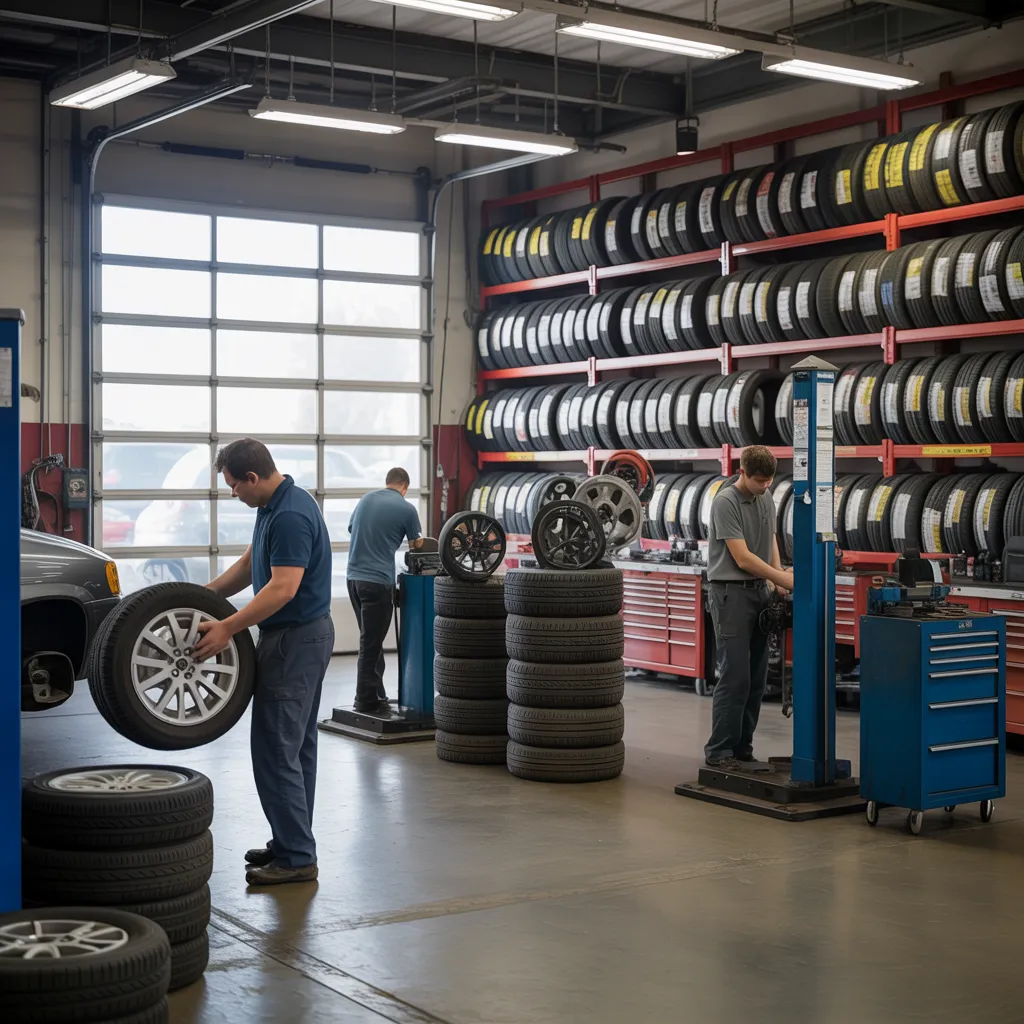
When maintaining a vehicle, performing key routine inspections can prevent minor issues from escalating into major problems. Routine checks of fluid levels, such as oil, coolant, and brake fluid, help the engine function at its best and most safely. Tire pressure must be inspected on a consistent basis; under-inflated tires can lead to poor fuel economy and unsafe driving conditions. Additionally, examining the condition of the battery and its connections can help avoid unexpected breakdowns.
The wiper blades and lighting systems should also be periodically evaluated for functionality, as visibility is vital for safe driving. Another essential inspection involves the brakes; any unusual sounds or behaviors should be investigated promptly. In addition, tracking the vehicle's wheel alignment prevents irregular tire wear and improves overall handling. By focusing on these regular maintenance checks, vehicle owners can preserve top performance and extend the longevity of their automobiles.
Easy DIY Solutions for Typical Car Issues
Numerous vehicle owners face common issues that are simple to resolve with basic do-it-yourself solutions. For instance, a drained battery can frequently be restored with a simple jump start, while worn-out wiper blades can be swapped out quickly, improving visibility during rain.
One other typical concern involves flat tires, which can be resolved with a spare tire swap or a tire patching kit. In addition, changing engine oil and filters regularly can boost engine efficiency and durability.
A malfunctioning headlight can often be fixed by swapping out the bulb, a task requiring minimal tools.
Lastly, squeaky brakes often point to deteriorated brake pads, which can also be replaced at home.
These simple fixes not only save money but also empower automobile owners to maintain their vehicles effectively. By addressing these common issues promptly, they can ensure their cars stay in optimal condition, boosting both performance and trustworthiness.
Recognize Typical Warning Signs of Car Problems
How can car owners effectively identify potential issues before they escalate? By being mindful of frequent indicators that point to underlying issues. Unusual sounds, such as grinding or squeaking, can signal problems with brakes or other components. Additionally, warning lights on the dashboard, like the check engine light, should never be ignored; they commonly signal specific concerns that demand immediate action.
Furthermore, shifts in temperature displays can point to thermal issues, while shifts in the automobile's braking or handling capabilities may signal steering alignment or braking defects. Unexplained fluid leaks, be it oil, coolant, or transmission fluid, are also cause for concern. Additionally, detecting a drop in fuel performance can indicate exhaust or engine problems. By recognizing these signs early, automobile owners can resolve developing concerns, ensuring their vehicles remain safe and reliable.
When to Consult a Professional
Recognizing when to seek professional help is crucial for maintaining your vehicle. Warning light indicators and strange sounds or vibrations commonly suggest hidden problems that need professional evaluation. Overlooking these indicators can cause more serious complications and expensive fixes in the future.
Warning Light Indicators
How seriously should a driver treat warning light indicators? Dashboard warning lights on a vehicle act as critical signals regarding possible problems. Vehicle operators should view warning indicators including the check engine light, oil pressure warning, and battery alert as immediate causes for concern. Overlooking such warning signs can contribute to more serious vehicle damage and higher repair costs. When a warning light illuminates, checking the owner's manual for precise guidance is a prudent step. Ongoing warning lights, particularly those paired with abnormal symptoms like stalling or overheating, require evaluation by a professional. Swift action can prevent minor issues from escalating into significant problems, ensuring the vehicle remains safe and reliable on the road. Regular checks and timely responses to these indicators are important for vehicle longevity.
Abnormal Noises or Vibrations
How should a driver respond when experiencing strange noises or vibrations from their vehicle? Immediate attention is vital, as these symptoms often indicate underlying issues. Drivers should first identify the type of noise—whether it's a grinding, squealing, or thumping sound—as this can help pinpoint the problem. Next, they should determine if the vibrations correlate with specific speeds or conditions, such as braking or accelerating. If the noises or vibrations persist, it is wise to consult a professional mechanic. Timely intervention can prevent further damage and guarantee safety. Disregarding these symptoms could result in expensive repairs or, more seriously, jeopardize vehicle safety. Adopting a proactive approach is crucial for sustaining the vehicle's efficiency and durability.
Auto Repair Tips: Why Regular Maintenance Matters
Regular maintenance is essential for vehicle performance and safety. By adhering to a structured maintenance schedule, drivers can prevent costly repairs, extend the lifespan of their vehicles, and guarantee compliance with safety standards. Neglecting these practices may lead to unexpected problems that undermine both the reliability of the vehicle and the safety of those inside.
Stop Costly Repairs
Keeping up with a vehicle consistently can substantially decrease the likelihood of expensive fixes down the road. Regular inspections and maintenance tasks, such as brake checks, oil changes, and tire rotations, catch problems before they worsen. Overlooking warning indicators or strange noises can cause considerable deterioration, creating a need for pricey repairs. Moreover, following the manufacturer's recommended maintenance plan guarantees that critical components remain in peak condition. Keeping fluids topped off, such as coolant and transmission fluid, can prevent overheating and mechanical failures. Simple practices like checking tire pressure can improve gas mileage and prolong tire longevity. In summary, committing to scheduled maintenance functions as a forward-thinking approach, ultimately saving money and prolonging vehicle performance.
Improve Vehicle Lifespan
Committing to regular upkeep is essential for extending the lifespan of your vehicle. Routine oil changes, fluid inspections, and tire rotations help ensure that critical components perform optimally. Overlooking these responsibilities can cause accelerated deterioration, causing costly repairs down the line. Additionally, keeping tire pressure and alignment in check contributes to improved fuel economy and vehicle performance, which also maximizes the vehicle's longevity. Regularly checking battery condition and swiftly replacing worn components can help avoid sudden breakdowns. Scheduled examinations allow for the early detection of potential issues, giving vehicle owners the chance to resolve them before they worsen. By committing to consistent upkeep, drivers can experience greater reliability and peace of mind while getting the most from their vehicle.
Ensure Safety Standards
Maintaining safety standards find here in vehicle operation requires consistent attention to maintenance practices. Regular inspections of essential components, such as brakes, tires, and lights, are critical for preventing accidents and guaranteeing peak performance. Mechanics recommend adhering to the manufacturer's maintenance schedule, which often includes important checks and fluid replacements that contribute to overall safety. In addition, monitoring warning lights and addressing issues promptly can mitigate larger, costly repairs. Tire pressure and tread depth should be routinely checked to enhance handling and stability. Moreover, maintaining windshield wipers and fluid levels guarantees clear visibility during adverse weather conditions. By prioritizing these maintenance tasks, vehicle owners can greatly reduce risks and promote a safer driving experience for themselves and others on the road.
Budget-Friendly Vehicle Maintenance Tips
Numerous car owners look for ways to save money while keeping their cars in peak condition. Consistent care for your vehicle can be cost-effective and practical. A key recommendation is to carry out oil changes according to the suggested schedule, as using the right oil can enhance engine efficiency. Moreover, monitoring tire pressure each month not only enhances gas mileage but also increases the lifespan of your tires.
Car owners can additionally cut costs by replacing air filters themselves, which is a straightforward task that enhances how the engine performs. Regularly inspecting and cleaning the battery terminals can help avoid expensive replacements.
Utilizing internet resources for DIY repairs and maintenance guides allows owners to address small problems without the help of a professional. Moreover, becoming a member of local car clubs or online forums can offer helpful advice and savings on parts. By embracing these economical practices, automobile owners can manage their vehicles effectively while cutting down on expenses.
Questions We Often Receive
How Frequently Should I Rotate My Tires?
It is typically advised to rotate tires every 5,000 to 7,500 miles, according to the vehicle model and tire variety. Routine rotation encourages uniform wear, improves traction, and prolongs tire life, contributing to overall vehicle safety and performance.
What Are the Benefits of Using Synthetic Oil?
Utilizing synthetic oil improves overall engine function, offers improved lubrication, decreases engine wear, and enhances fuel economy. It also withstands extreme temperatures and delivers exceptional protection against engine sludge deposits, ultimately extending engine life and lowering maintenance expenses.
Can I Mix Different Brands of Motor Oil?
Mixing different brands of motor oil is generally acceptable, provided they share the same viscosity and specifications. Nevertheless, it is recommended to refrain from combining synthetic and conventional oil types to ensure optimal engine performance.
How Do I Determine if My Battery Requires Replacement?
A vehicle battery might require replacing if the vehicle experiences trouble starting, exhibits dimming headlights, or shows a warning light on the dashboard. Additionally, a careful inspection for buildup or swelling can suggest declining battery health.
What Should I Do When My Check Engine Light Comes On?
When the check engine light comes on, you should begin by checking for a loose gas cap, then use an OBD-II scanner to identify error codes. If the problem remains, consulting a professional mechanic is advisable for further diagnosis.